Inspection
The property is inspected to establish the extent of activity, likely nest areas, ant trails and possible entry points.

Looking for a reliable way to deal with ants in your home or business? AIM Environmental provides professional ant control throughout Wolverhampton, with targeted treatment plans built around the species and level of activity.
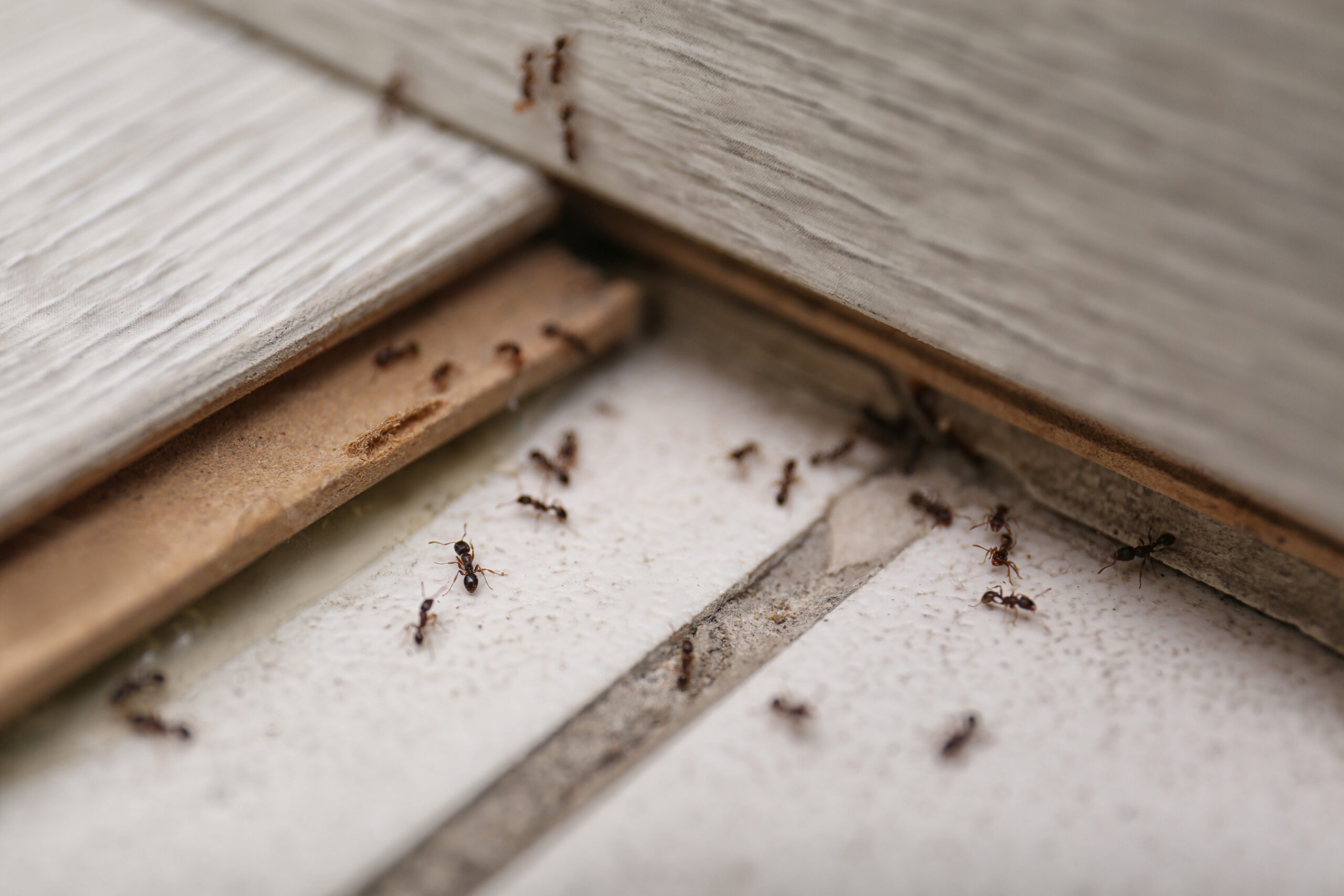
Ant infestations can spread quickly once a colony finds a reliable food source or access route into a property.
Professional ant control starts with identifying the species involved, understanding where the ants are travelling and locating areas that may be supporting the infestation.
AIM Environmental uses a targeted approach so the treatment reflects the conditions within your Wolverhampton home or business.
Different ant species and infestation levels may require different treatment methods, so the process begins with understanding exactly what is happening within the property.
The property is inspected to establish the extent of activity, likely nest areas, ant trails and possible entry points.
Identifying the ant species helps determine the most appropriate treatment method for the infestation.
A treatment plan is selected according to the species, severity of activity and needs of the property.
Treatment may involve baiting, targeted insecticide application or a combination of methods depending on the findings.
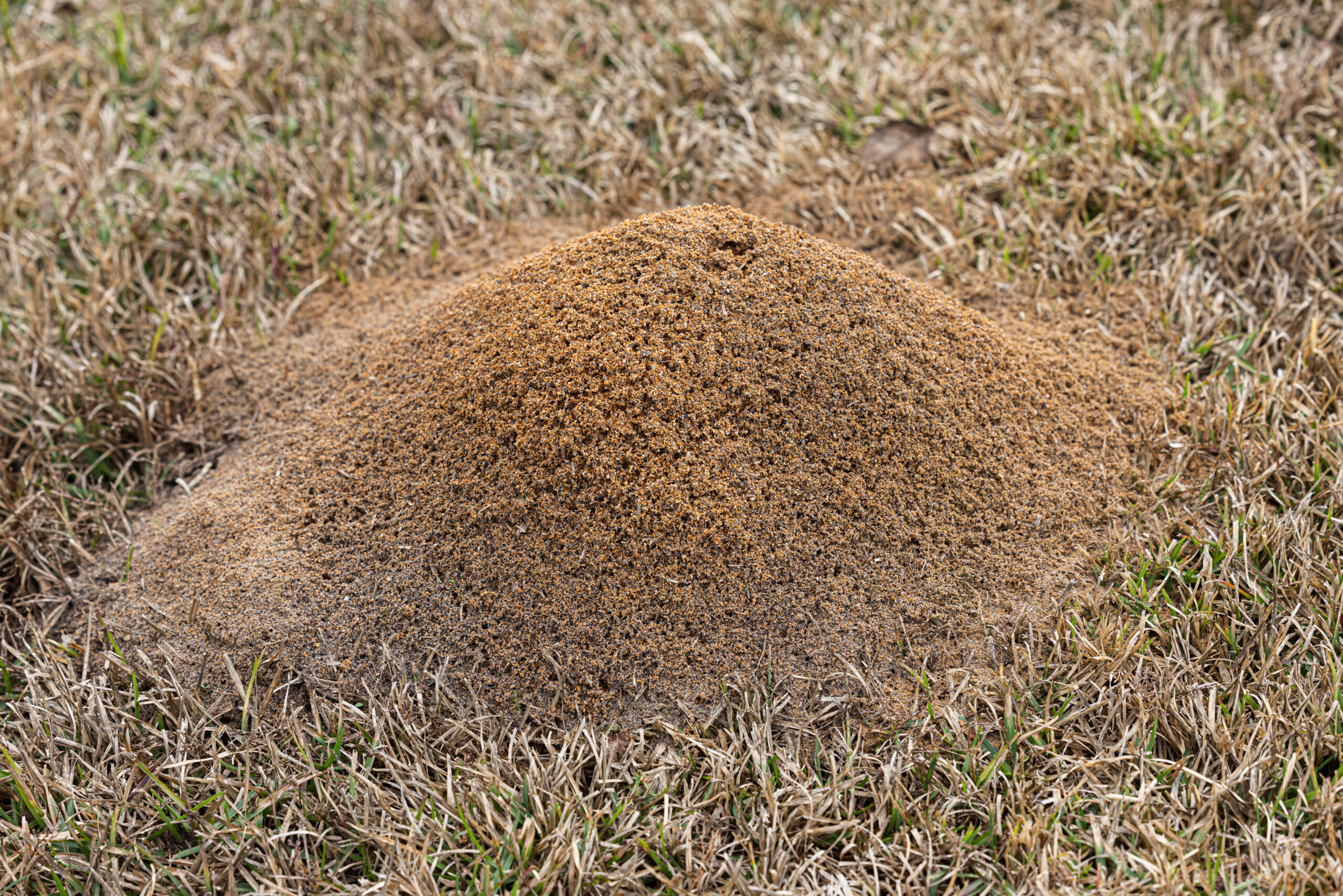
Ant treatment can vary depending on the species involved and where activity is taking place.
Common professional methods include baiting and targeted insecticide application around trails, entry points and other areas associated with the infestation.
Ant bait placed in appropriate locations
Targeted treatment of active trails
Attention to likely entry points
Advice designed to reduce repeat activity
Different types of ants can behave differently, which is why identification is an important part of professional control.
Commonly seen travelling in visible trails towards food sources, particularly during warmer periods.
Small ants that can establish themselves within heated buildings and may require a carefully planned treatment approach.
Where the species is unclear, inspection and identification help determine the most suitable method of control.
Ants are often attracted by accessible food and can enter through very small gaps around a property.
A few simple housekeeping and maintenance steps can help make your Wolverhampton property less attractive to them.
Wipe down kitchen surfaces, clean spills quickly and avoid leaving food residues accessible.
Store food in sealed containers where possible, particularly sweet or high-energy food sources.
Small cracks and gaps around walls, doors and other openings can provide routes into the property.
Ant infestations can quickly become frustrating and may create hygiene concerns when activity spreads into kitchens, food preparation areas and stored products.
Ant activity around stored food, worktops and cupboards can create hygiene concerns and may require contaminated food to be discarded.
Ant trails can lead more ants towards established food sources, allowing visible activity to increase.
Some ant species can produce noticeable odours when disturbed, adding to the disruption caused by an infestation.
Ants can enter through small gaps and often establish visible trails between their nest and a reliable source of food or moisture.
Kitchens, pantries and bathrooms are among the common areas where homeowners first notice activity.
Food residue, crumbs and accessible stored food can attract foraging ants.
Open packaging and stored food can provide a reliable food source once ants gain access.
Moisture and gaps around services can make bathrooms another area where ant activity may be noticed.
Small openings around walls and structural joints can provide access into the property.
Speak to AIM Environmental about professional ant control for your Wolverhampton home or business.
Read the latest customer feedback through AIM Environmental's live Trustist review feed.
Professional treatment normally starts with an inspection to establish the level of activity, identify the species and determine the areas that need to be treated.
Different species can behave differently and may respond better to different treatment methods, so identification helps guide the plan.
Depending on the infestation, treatment may involve professional ant bait, targeted insecticide application or a combination of methods.
Kitchens provide potential food sources, particularly crumbs, spills and unsealed food. Ants may form trails once they locate a reliable source.
Keeping food areas clean, storing food securely and sealing obvious gaps and cracks can help reduce the conditions that attract or admit ants.
Yes. Ants can use small gaps around walls, doors, pipework and other openings to move into and around a property.