Property Survey
We inspect for evidence of rats, entry points, food and water sources and the routes they may be using.

Looking for affordable and effective rat control? AIM Environmental provides professional rat removal throughout Wolverhampton, starting with a detailed property survey and a treatment plan built around the activity we find.
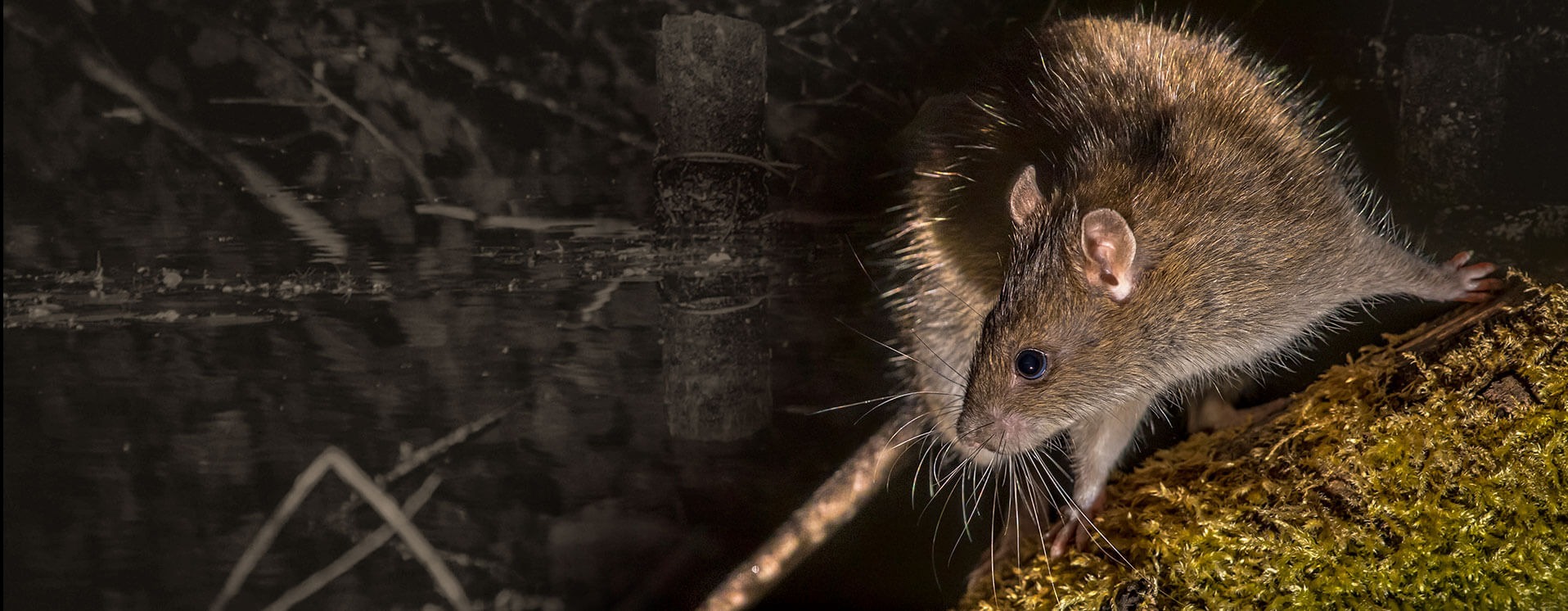
Rat activity can develop where food, water and shelter are available, particularly when there are accessible routes into or around a property.
AIM Environmental begins with a detailed survey of your Wolverhampton property to identify signs of activity, possible entry points and the routes rats may be using.
We then build a treatment plan around the findings, using appropriate baiting, trapping and proofing techniques.
Effective rat control starts with understanding the property and how the rodents are accessing food, water, shelter and travel routes.
We inspect for evidence of rats, entry points, food and water sources and the routes they may be using.
A plan is created around the survey findings and the conditions within the property.
Depending on the situation, treatment may include baiting, trapping and other targeted control measures.
Likely access points and practical prevention measures are considered to help reduce the risk of further activity.
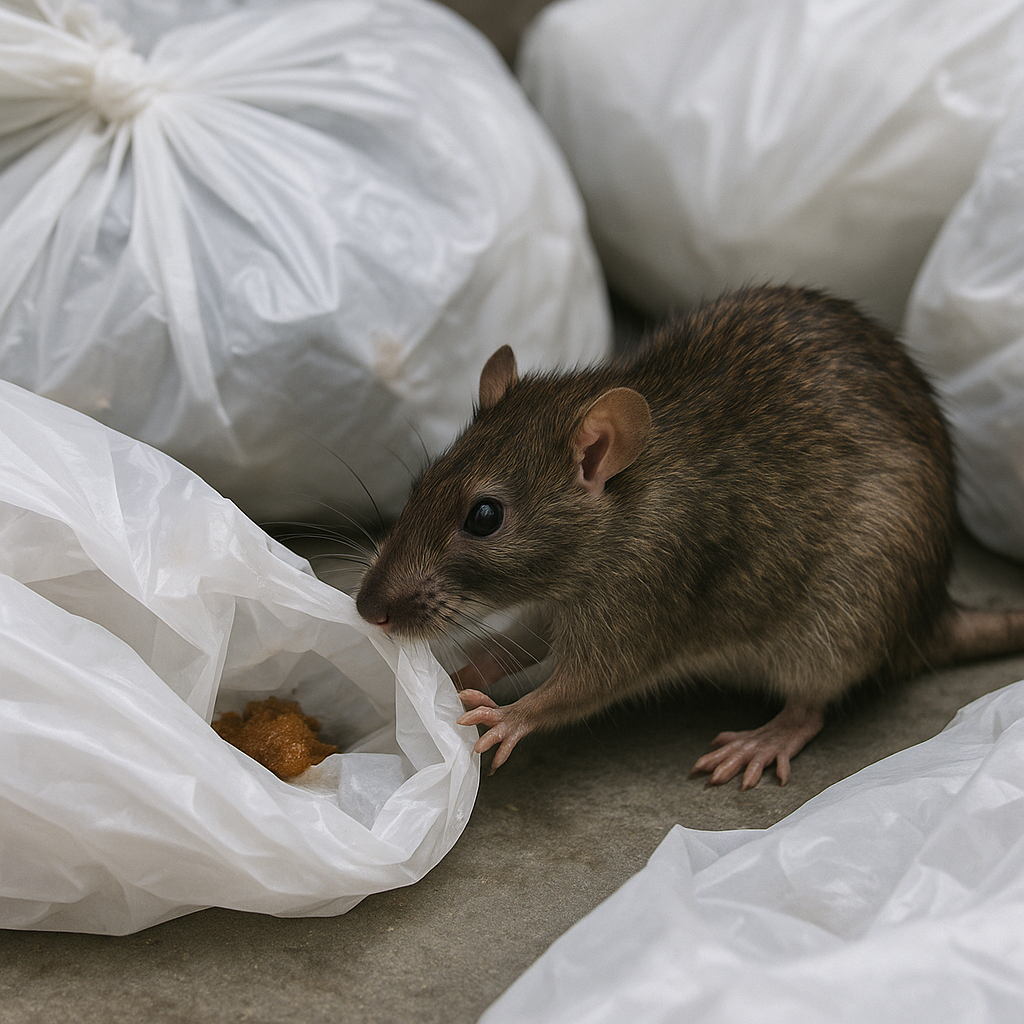
Rat infestations can differ significantly from one property to another, so treatment is selected according to the survey findings.
AIM Environmental may use a combination of baiting, trapping and proofing techniques to address active rats and reduce the chance of further access.
Identify active rat routes
Locate likely feeding and water sources
Use appropriate baiting or trapping methods
Review proofing and access points
Rat activity can begin with simple sources of food and water around homes, gardens and commercial premises.
Accessible rubbish and poorly secured bins can provide rats with a regular food source.
Leaking pipes and other accessible water sources can help support rodent activity around a property.
Spilled seed and other food left outdoors may attract rats into gardens and surrounding areas.
Compost heaps and organic waste can provide both food and shelter when they are easily accessible.
Drainage systems can form part of the routes rats use to travel between different areas.
Food residues and animal waste left outdoors may also attract unwanted rodent activity.
Professional rat control involves selecting suitable methods for the property rather than applying the same approach everywhere.
Where baiting, traps or other control measures are used, the technician can explain the treatment plan and any relevant precautions.
Treatment is based on what the inspection reveals about active rats, access and feeding areas.
Baiting and trapping techniques are selected according to the property and level of activity.
We can also highlight practical steps that may help reduce the likelihood of repeat activity.
Rat infestations can create health, hygiene and property concerns, particularly when activity becomes established around living, storage or food preparation areas.
Rat urine, droppings and saliva can contaminate surfaces and stored materials around a property.
Rats can carry harmful organisms, which is one reason active infestations should be addressed professionally.
Rats may gnaw materials around buildings, including packaging, insulation and other accessible surfaces.
Prevention works best when food, water, shelter and access routes are considered together rather than in isolation.
Keep external bins closed and avoid leaving easily accessible food waste around the property.
Bird seed, pet food and other outdoor food sources can contribute to rodent activity if left accessible.
Repairing leaks and reducing standing water can remove one of the resources rats need.
Gaps and openings around the building can be reviewed as part of a wider proofing strategy.
Contact AIM Environmental about professional rat control for your Wolverhampton home or business.
Read the latest customer feedback through AIM Environmental's live Trustist review feed.
Professional rat control normally starts with a survey to identify activity, entry points, food and water sources and likely travel routes.
Depending on the situation, treatment may involve baiting, trapping, proofing and other targeted control measures.
Rats may be attracted by accessible food, water, shelter and travel routes around gardens, waste areas, drainage and buildings.
Spilled bird seed can provide an accessible food source, particularly if it accumulates beneath feeders.
Yes. The property survey includes looking for likely access points and routes being used by rodents.
Yes. Rat urine, droppings and saliva can create contamination and hygiene concerns, particularly around food and living areas.
Yes. AIM Environmental provides professional rat control for both residential and commercial properties in Wolverhampton.